


No products in the cart.

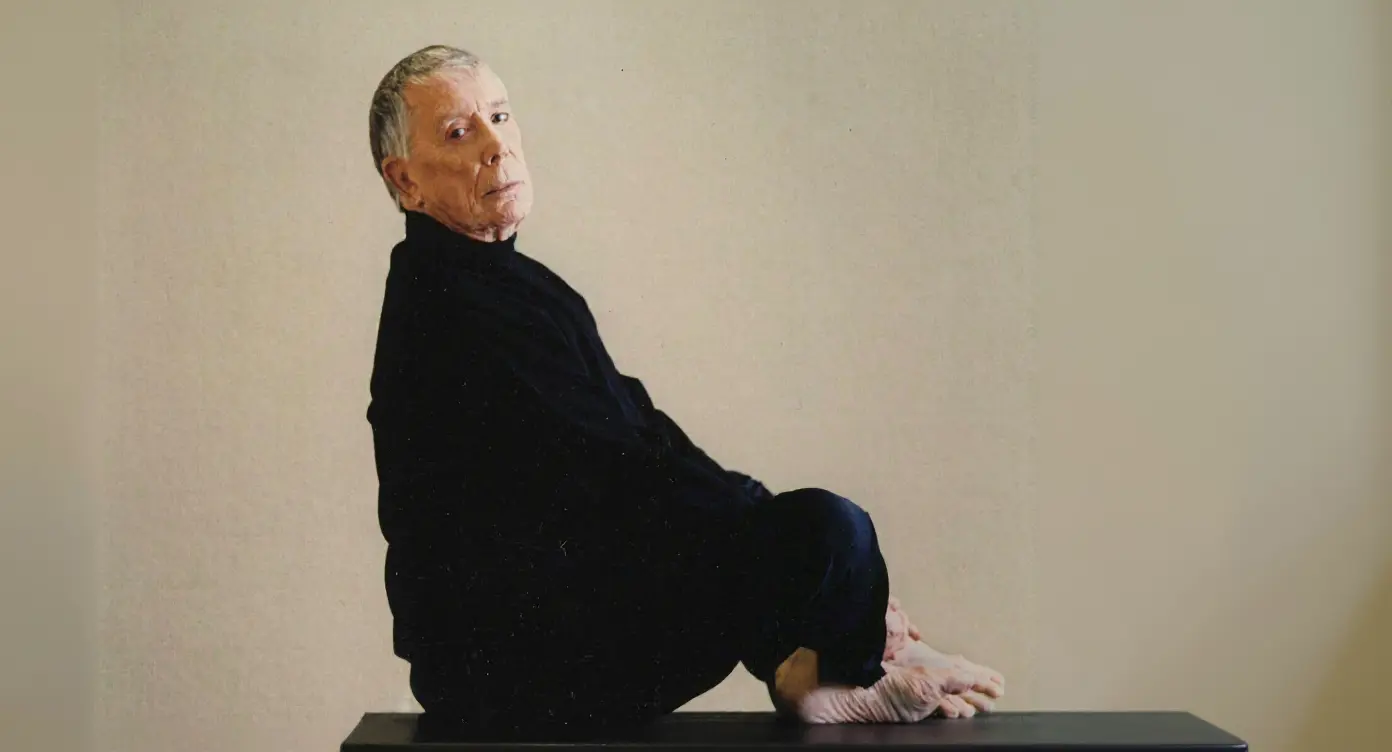
To understand how the Pilates method evolved after Joseph Pilates’ death, it is worth learning about the history of teachers who brought it into new environments and enriched it with their own movement experiences. One of the most distinctive figures was Ron Fletcher—a dancer, choreographer, and direct student of Joseph and Clara Pilates. He belonged to the generation of teachers known today as Pilates Elders—the first students of Joseph Pilates who continued his work and passed it on to subsequent generations. His path, however, was unique. He combined the classical Contrology method with dance, thereby introducing elements of movement expression into Pilates.
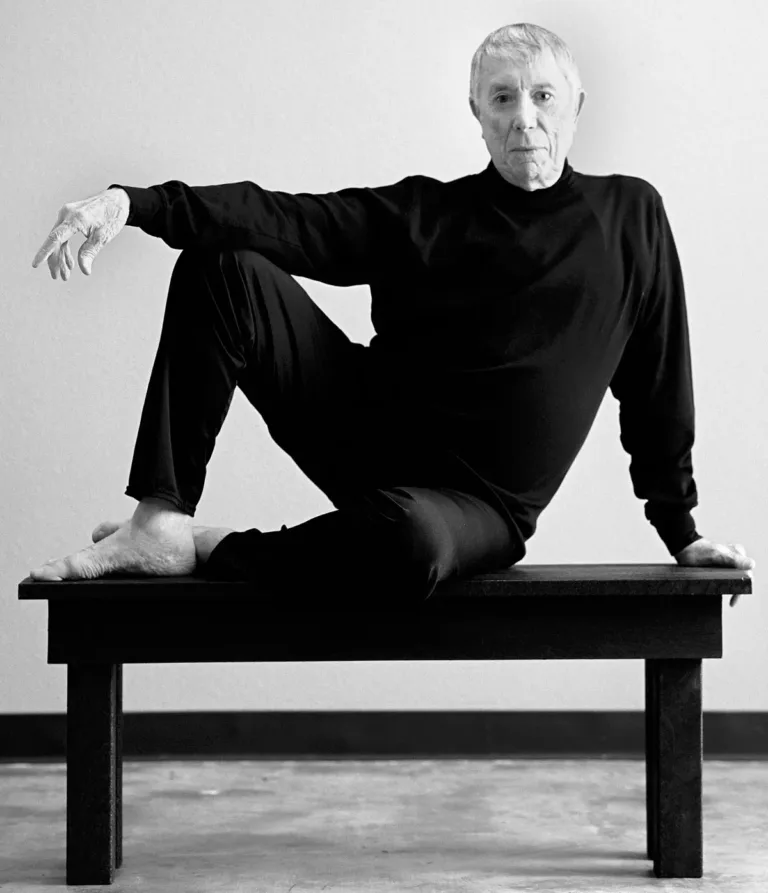
From Missouri to New York
Ron Fletcher was born in 1921 in Dogtown, Missouri, in the United States. As a young man, he dreamed of an artistic career and moved to New York in 1944. Initially, he worked in the advertising department at Saks Fifth Avenue department store. His life changed, however, when he saw a performance by the Martha Graham Dance Company. Fletcher immediately felt that his place was in the world of dance.
Although he began dance training relatively late, he was given the opportunity to study at the school of Martha Graham—one of the most important figures in the history of modern dance. The Graham technique was extremely physically demanding, and the intense training caused Fletcher knee problems. Surgery was even considered, which could have ended his stage career. At that point, one of his colleagues from the dance studio suggested a visit to Joseph and Clara Pilates’ studio on 8th Avenue in New York. His story with the Contrology method began similarly to that of Romana Kryzanowska and Carola Trier.
Meeting Joseph and Clara Pilates
Ron Fletcher had the extraordinary opportunity to learn directly from Joseph Pilates. He later recalled that Joseph personally worked with him on the Reformer, helping him regain balance in his body after years of compensation related to his injury. Joseph paid particular attention to stabilization in the pelvic area and deep body control, which he referred to as centering.
Fletcher remembered Joseph as a man of tremendous movement intuition and extraordinary knowledge of the body, while Clara taught him the subtlety of working with movement.
It was she who emphasized that:
“The machine is your partner. You don’t work on it, you work with it.”
This experience became the foundation of Fletcher’s work philosophy in the future.
Stage Career and Return to the Pilates Method
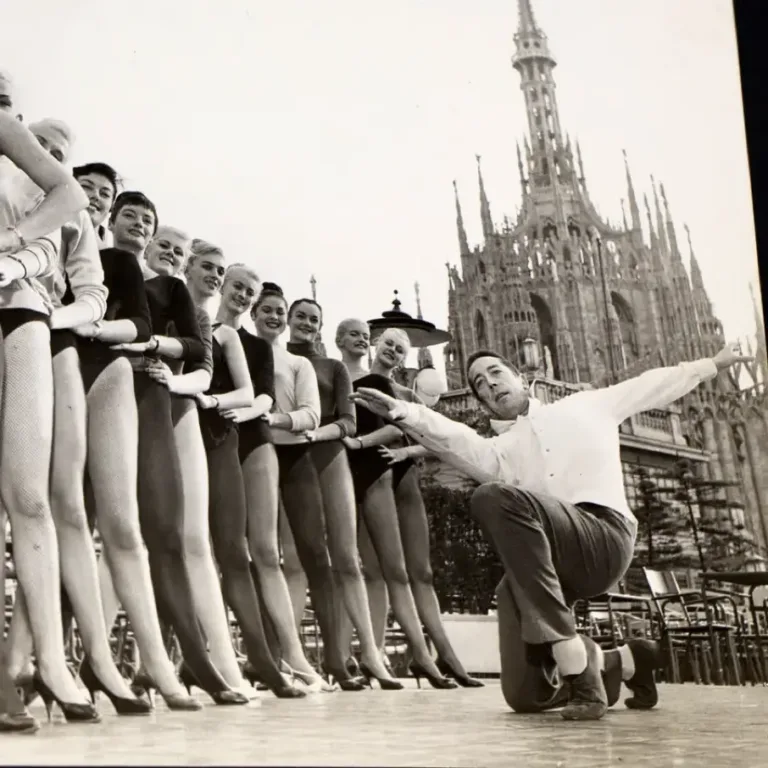
In the following years, Ron Fletcher developed an intensive stage career. He danced in Broadway productions, worked in London, Paris, and Milan, and created choreography for theater, television, and stage performances.
He collaborated with many icons of 20th-century culture and art, including:
- Marlene Dietrich
- Josephine Baker
- Carol Channing
- Tallulah Bankhead
Despite his tremendous commitment to his dance career, Fletcher regularly returned to the Pilates studio. He treated the Contrology method as the foundation for maintaining physical fitness. In the 1960s, his life entered a serious personal crisis related to alcohol addiction. After a period of breakdown, Fletcher did not give up—he underwent therapy and decided to completely change his life. During this time, he began working with Clara Pilates again. It was she who encouraged him to pass on his knowledge of the Pilates method to subsequent generations of teachers.
The Birth of Ron Fletcher’s Work
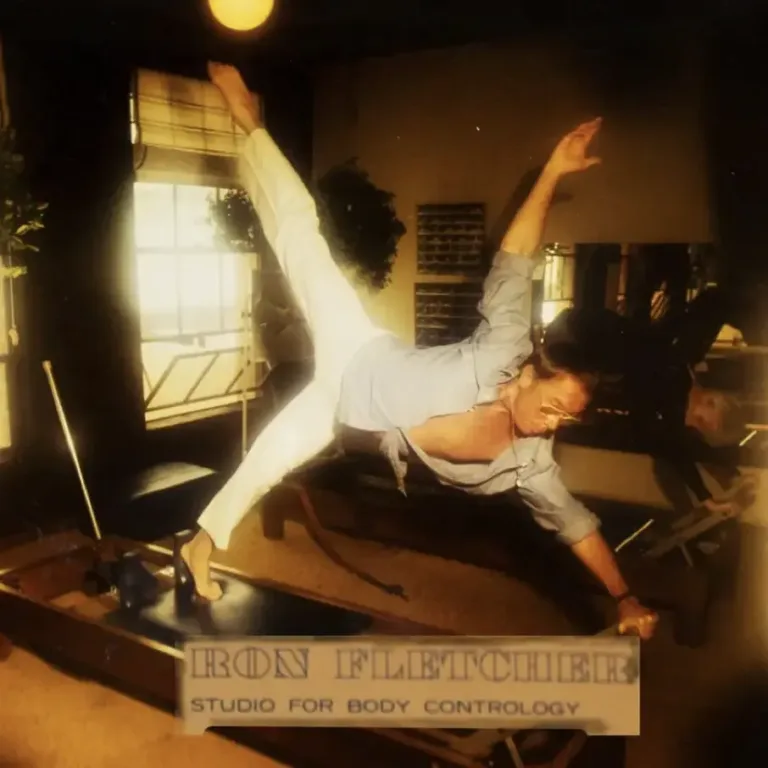
In 1971, Ron Fletcher opened his first studio in Beverly Hills, Los Angeles, under the name Ron Fletcher Studio for Body Contrology. It was one of the first places outside New York where the Pilates method began to be taught. The studio quickly became popular in the Hollywood artistic community. Among those who came to Fletcher’s classes were:
- Barbra Streisand
- Candice Bergen
- Ali MacGraw
- Dyan Cannon
For many artists, his studio was a place to work on the body, but also a space for meetings and conversations.
New Elements in Working with the Pilates Method
Ron Fletcher brought several very important elements to Pilates. The most well-known of these is the Fletcher Pilates Percussive Breath Technique—a rhythmic, dynamic breathing method synchronized with movement. Fletcher developed his own method by combining Joseph Pilates’ guidance and his experience working with Martha Graham. In his philosophy, breath became an integral part of movement, an element that gives rhythm and energy to the entire sequence. Fletcher’s second important tool was the development of work without Pilates equipment.
“Think of movement floating on the breath.”
Breath was not an addition—it was the driving force of movement, the rhythm that organized the body and the group. It gives rhythm and energy to the entire sequence. He said:
“Think of movement floating on the breath.”
He created exercise programs performed in standing and seated positions on the floor, later named Fletcher Floorwork. In his approach, Pilates became a form of movement expression.
Fletcher also brought a new quality of transitions and movement continuity to Pilates. He called them “goes-in-tas”—moments when one movement naturally transitions into the next.
This approach made his method more:
- fluid
- organic
- expressive
He also developed proprietary work systems, such as:
- Fletcher Floorwork®
- Fletcher Barrework®
- Fletcher Towelwork®
He often began and ended classes in a standing position, emphasizing the functionality of movement in daily life.
Students and the Fletcher Pilates Lineage
Ron Fletcher trained many teachers who continue his work. Among them are:
- Susan Salk
- Diane Severino
- Diane Diefenderfer
- Deborah Mendoza
- Michael Podwal
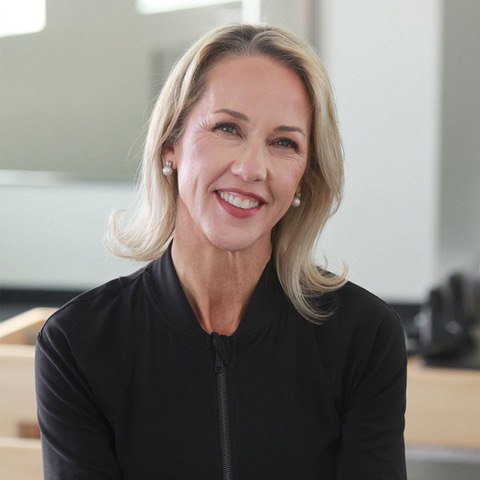
- A special place in this lineage is held by Kyria Sabin
She was one of Fletcher’s closest students. It was he who recognized her exceptional understanding of movement and directed her onto the teaching path. Over time, she became his direct successor.
Kyria Sabin co-created the first Fletcher Pilates educational system—the Ron Fletcher Program of Study—which organized and preserved his method for future generations.
Today, as Program Director of Fletcher Pilates, she continues his legacy, preserving his philosophy:
- movement initiated from the center
- breath as the foundation
- the body as a conscious, intelligent structure
Thanks to her work, Fletcher’s method has not only survived but has become accessible worldwide. Over time, Kyria Sabin, together with a group of advanced teachers, undertook the creation of the Fletcher Pilates educational structure. The result of this work was the Ron Fletcher Program of Study—the first systematic teaching program for this method. Although Ron Fletcher was initially skeptical about formalizing his work, he ultimately trusted Kyria and entrusted her with the responsibility for the development and continuation of his lineage.
Today, as Program Director of Fletcher Pilates, Kyria Sabin not only transmits the technique but, above all, nurtures Fletcher’s movement philosophy based on breath, fluidity, awareness, and aesthetics. Thanks to her, the method has retained its authenticity while becoming accessible to subsequent generations of teachers worldwide.
Fletcher’s lineage derives directly from the teachings of Joseph and Clara Pilates, but is also strongly connected to the modern dance tradition, particularly the Martha Graham technique. His work influenced many Pilates teachers who combined the classical method with dance experience and the art of movement.
Ron Fletcher’s Legacy
Ron Fletcher passed away in 2011, leaving behind an extraordinarily rich legacy. His work confirmed that the Pilates method can be developed in many directions while preserving its fundamental principles.
Fletcher combined:
- classical Contrology,
- knowledge of working with Pilates equipment,
- modern dance experience,
- conscious breathwork.
Through this, he created an approach to movement that emphasizes not only the precision of exercises but also their expression and fluidity. Today we know that the Pilates method has always been a living practice developed by teachers who understood its fundamentals and were able to interpret them in the context of their own movement experience. The idea of combining tradition with development remains one of the most important elements of contemporary Pilates education.
At Sinya Pilates, we view the history of this method as a tradition built by different teaching lineages—from Joseph and Clara Pilates, through the Pilates Elders, to contemporary educators. It is precisely the meeting of these different perspectives that allows for a better understanding of the method and its development with respect for its origins.
Pilates Legacy from source to the future.
Czytaj również
Kyria Sabin
Kyria Sabin jest jedną z najważniejszych współczesnych nauczycielek metody Pilates i bezpośrednią kontynuatorką pracy Rona Fletchera..
Clara & Contrology – subtelność metody Pilatesa
Clara & Contrology subtelność metody, której świat nie docenił na czas.
Joseph Pilates i spuścizna, która porusza świat
Kim był człowiek, który zmienił sposób, w jaki myślimy o ruchu?.

Add comment