


No products in the cart.

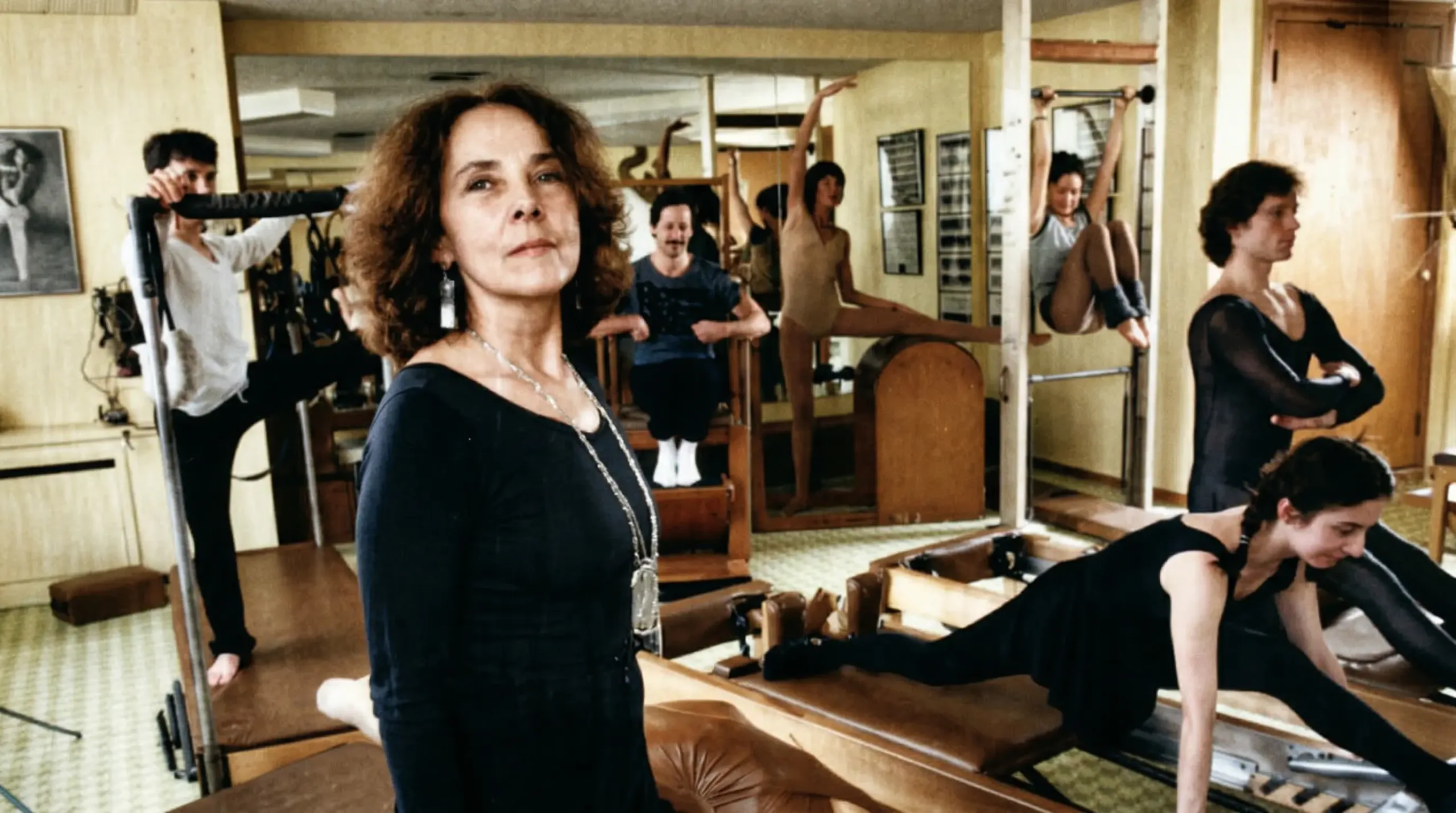
The history of the Pilates method cannot be told without mentioning one of its most important figures – Romana Kryzanowska. She played a key role in preserving the original form of Joseph Pilates’ method and passing it on to subsequent generations. For many teachers around the world, Romana was a mentor and remains a symbol of the continuity of the Contrology tradition.
From Ballet to Contrology
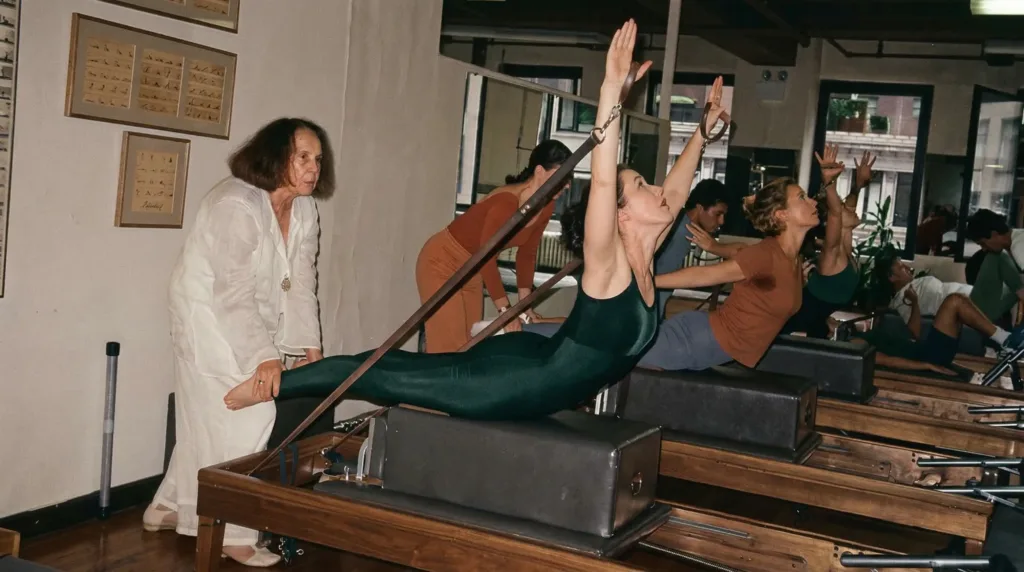
Romana Kryzanowska was born on June 30, 1923, in Detroit, Michigan into a family of artists. From her earliest years, she was connected to movement and dance. As a teenager, she moved to New York, where she began her studies at the School of American Ballet run by the renowned choreographer George Balanchine.
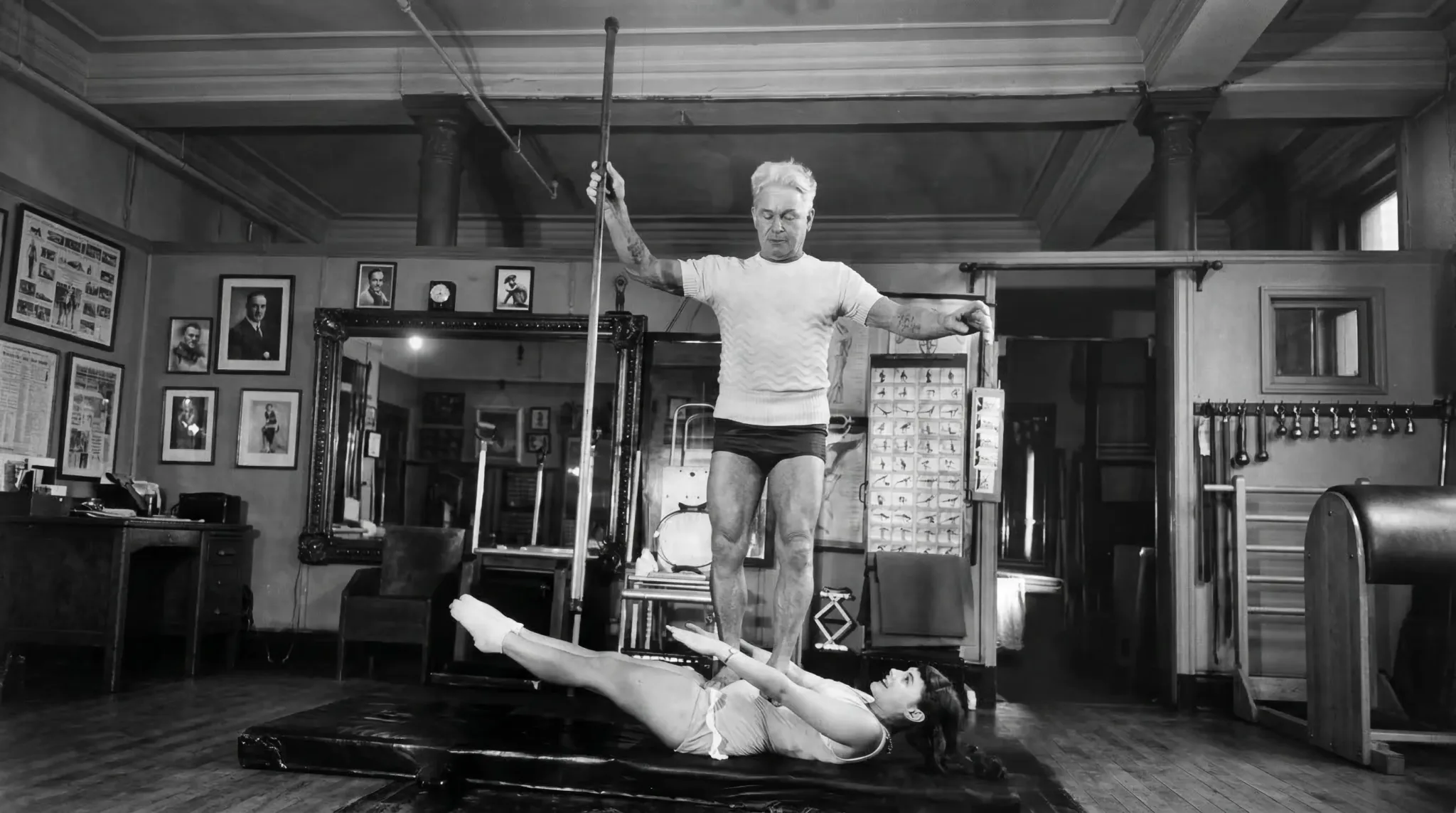
In 1941, the young dancer suffered a serious ankle injury that threatened to end her career. Balanchine referred her to the studio of Joseph and Clara Pilates on 8th Avenue in New York, where dancers often went for rehabilitation and conditioning. Romana began practicing the Contrology system, the pain subsided, and she was able to return to full fitness. This experience led her to train regularly with Joseph Pilates, and she quickly became one of his most active students.
Student and Protégée of Joseph Pilates
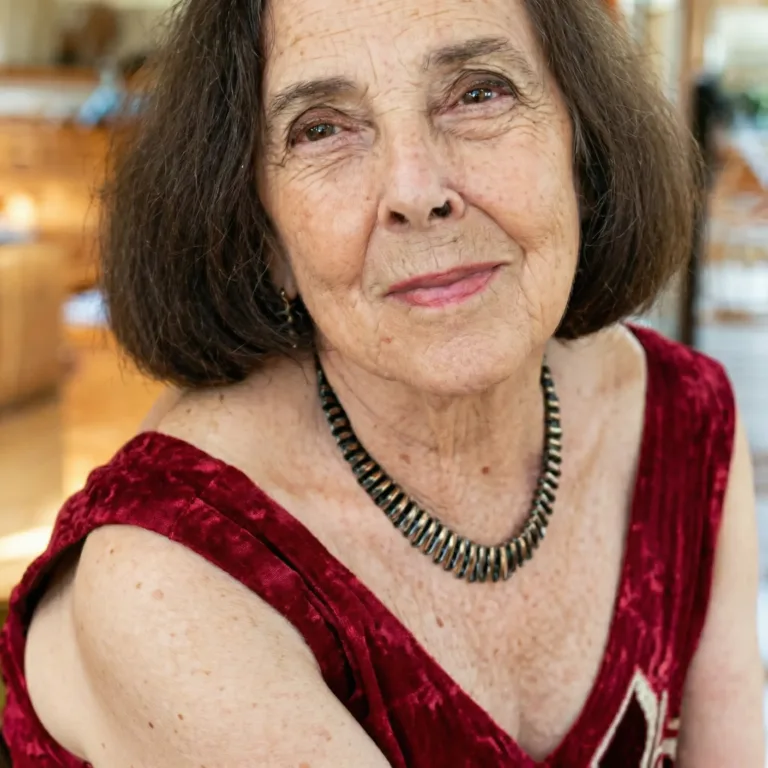
Romana trained with Joseph for many years, gradually and patiently learning the exercise system. Joseph Pilates quickly recognized Romana’s talent. Over time, he invited her to work at the studio, where she began assisting with teaching classes. Romana later recalled that everything happened very naturally – from one day to the next, she began assisting with clients, learning directly from the creator of the method. This experience was invaluable. Through it, Romana learned not only the exercise repertoire but also Joseph Pilates’ way of thinking about movement, the body, and the training process.
The Studio on 8th Avenue
After Joseph Pilates’ death in 1967, the studio was run by his wife Clara Pilates, and several years later, Kryzanowska assumed the role of director. This was a pivotal moment for the future of the method. Romana undertook the task of preserving the original exercise repertoire and teaching approach, which today is referred to as classical Pilates. Her approach was based on a simple principle: the method should not be changed, but understood and passed on in its original structure. Therefore, in her teaching, great importance was placed on:
- the sequence of exercises,
- precision of movement,
- the logic of progression,
- the teacher’s responsibility for the quality of work.
In the 1980s, Romana began traveling around the world, which allowed the method to be transmitted beyond the New York studio. Over more than 60 years, she trained thousands of teachers in the United States, Europe, Asia, and South America. Many contemporary teachers and schools of classical Pilates worldwide trace their lineage to her, including Michael King, Mari Winsor, and Sari Mejia Santo.
A Tradition That Continues Today
Romana Kryzanowska passed away on August 30, 2013, in New York, leaving behind an immense legacy. Through her work, the Pilates method survived the transformation period of the fitness industry, preserving the structure and movement philosophy that we now call classical Pilates. For subsequent generations of teachers, Romana remains a symbol of the continuity of the Contrology tradition.
Would you like to learn more about the first generation of Joseph Pilates’ students? Go to the article about Pilates Elders.
Czytaj również

Michael King
Michael King to międzynarodowo uznany edukator metody Pilates z ponad 47-letnim doświadczeniem w edukacji ruchowej.
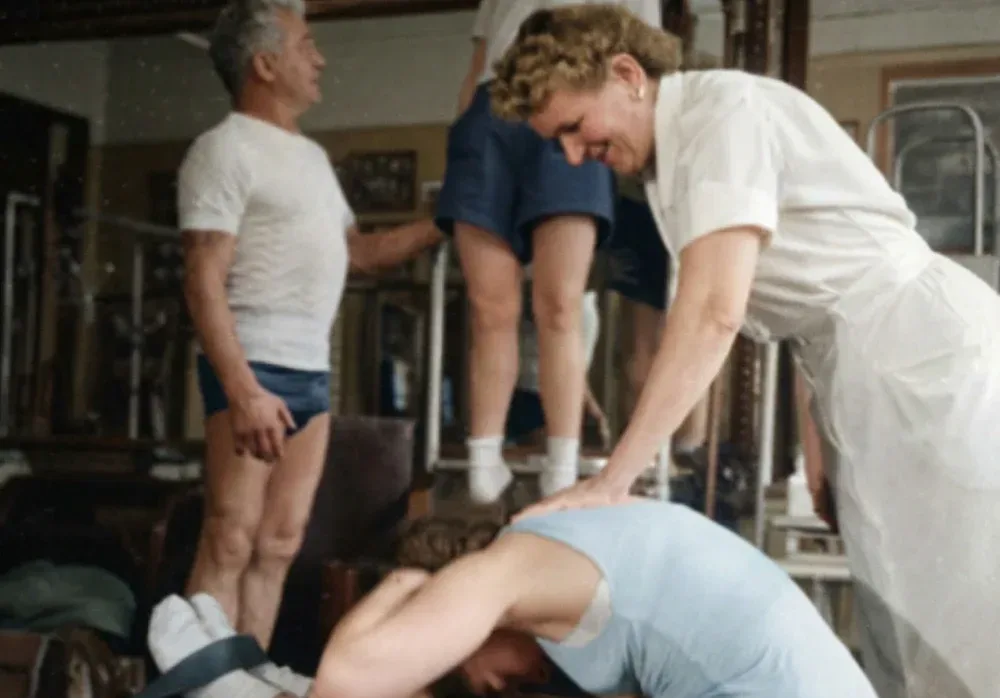
Clara & Contrology – subtelność metody Pilatesa
Clara & Contrology subtelność metody, której świat nie docenił na czas.
Joseph Pilates i spuścizna, która porusza świat
Kim był człowiek, który zmienił sposób, w jaki myślimy o ruchu?.


Add comment