


No products in the cart.

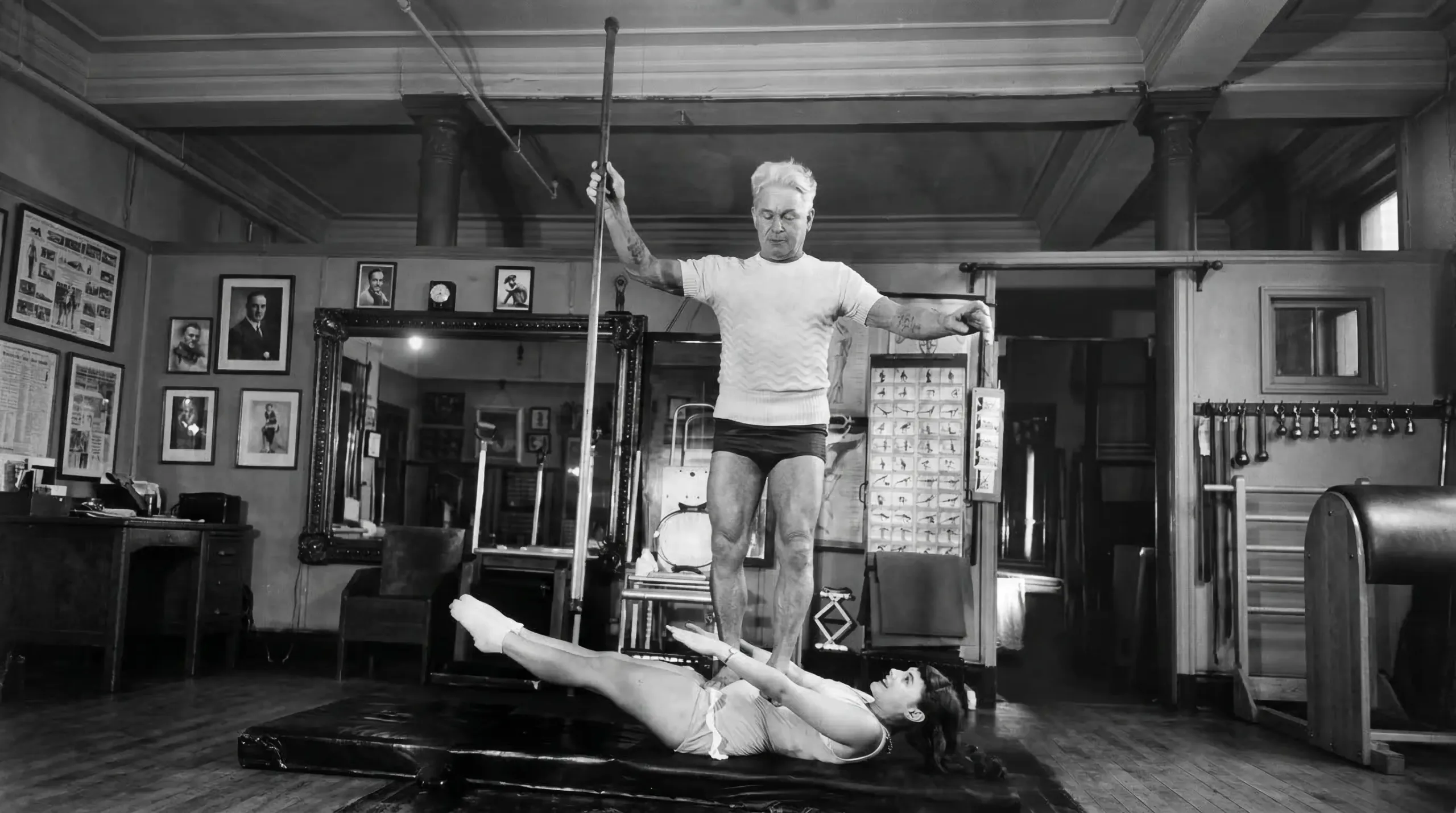
Who was the man who changed the way we think about movement?
Joseph Hubertus Pilates was not a celebrity, did not run promotional campaigns, and did not build his method on popularity. Yet his vision has endured for over a century, continuously inspiring teachers, dancers, movement therapists, and those seeking health through conscious work with the body.
This story is not merely the beginning of the method. It is the foundation of Sinya, upon which we build everything—education, work philosophy, the way we speak to people, and the way we view the body. Legacy matters.
From a Weak Body, a Strong Soul
Joseph Pilates was born in 1883 in Mönchengladbach, Germany. As a child, he struggled with asthma, rickets, and rheumatism. Paradoxically, it was precisely the weakness of his body that became the driving force of his entire life. Fascinated by anatomy and the body’s capacity for regeneration, he devoted his life to exploring the body, working with breath, gymnastics, boxing, and judo.
The Birth of the “Contrology” System
During World War I, Joseph Pilates was interned in England as a German citizen. It was there that he began developing his method of working with the body.
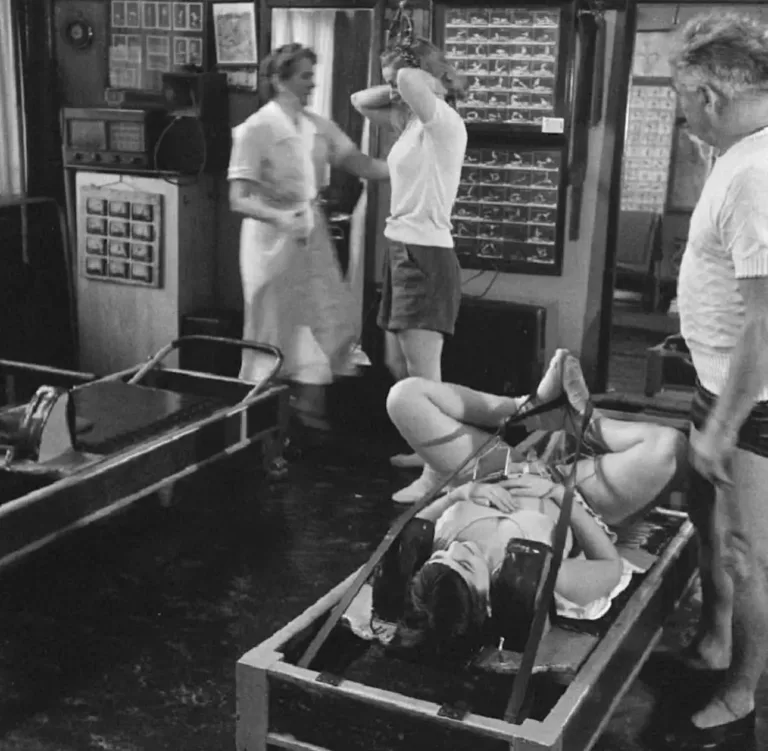
Working with wounded soldiers in military hospitals, he constructed the first training devices. He used springs from hospital beds to help patients exercise even when they could not get out of bed.
This is how the first prototypes of the equipment we know today were created:
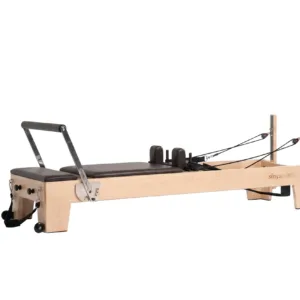
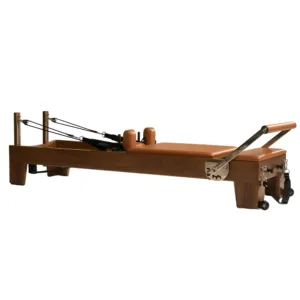
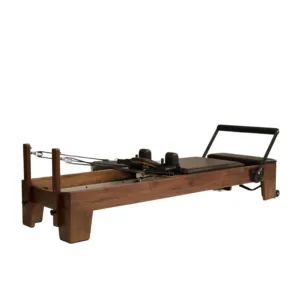
- Reformer
- Cadillac
- Chair
Joseph called his system Contrology—the art of complete control over the body through conscious movement, breath, and concentration.
New York and the Birth of the Pilates Studio
In the 1920s, Joseph Pilates emigrated to the United States. During the voyage by ship, he met his future wife and life partner, Clara Pilates.
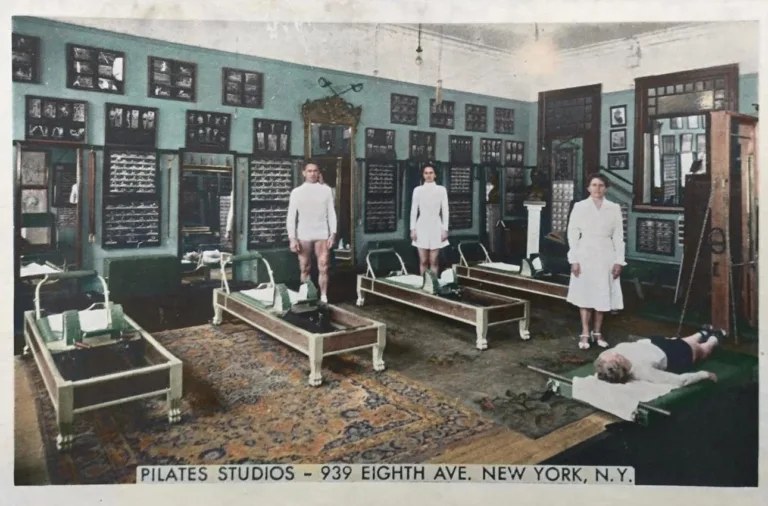
In 1926, they opened a studio together in New York on 8th Avenue. The studio quickly became popular among:
- Broadway dancers
- choreographers
- athletes
- performing artists
Dancers in particular appreciated the Pilates method as a system of rehabilitation and injury prevention. It helped them rebuild strength, mobility, and precision of movement.
Philosophy of Movement
Joseph Pilates believed that health is not merely the absence of disease, but the harmony of body and mind. In his book Return to Life Through Contrology, he wrote:
“Physical fitness is the first requisite of happiness.”
“Physical fitness is the first requisite of happiness.”
Clara: The Heart of the Studio and the Force Behind the Scenes
In 1926, Joseph emigrated to New York. During the journey, he met Clara Zeuner—a woman who became his partner, co-creator of the method, and one of the most important links in the entire system.
Clara, a trained nurse, brought empathy, observation, and an extraordinary sensitivity to the human body to the studio. She softened Joseph’s sharp edges, giving Contrology a dimension that endures to this day: human, attentive, full of care.
After Joseph’s death, it was Clara who ensured the authenticity of the method was preserved and passed it on to subsequent generations, including Romana Kryzanowska. From their teaching, the global Pilates community was born, of which we are becoming a part today.
Movement That Has Endured Generations
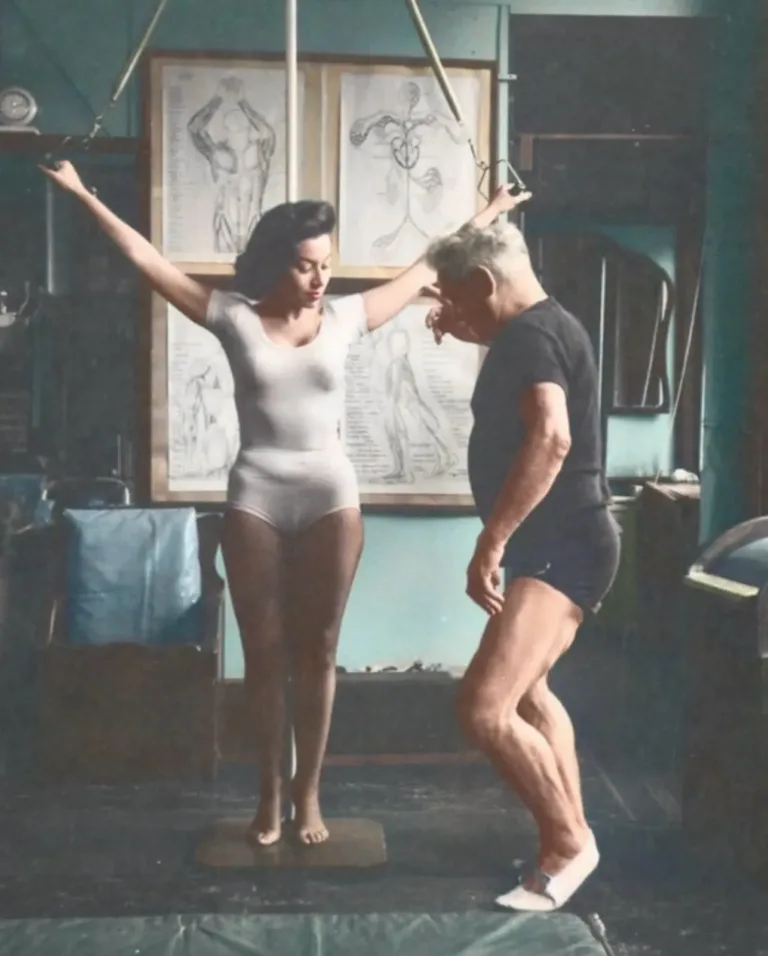
Joseph Pilates created a system of over 600 exercises and equipment that are now training icons: Reformer, Cadillac, Wunda Chair. However, the greatest legacy he left is the philosophy:
- Body, mind, and breath as one;
- Control instead of chaos;
- Strength without tension, flexibility without loss of stability;
- Presence as the first step to mastery.
The method proved to be a universal language of movement for dancers, athletes, those in rehabilitation, and all who seek harmony between physicality and awareness.
What Does This Mean for Us—the Sinya Community?
At Sinya, the Pilates method is not a trend or a set of exercises. It is a language of respect for the body, a path to self-reflection, and a tool for developing mindfulness.
We believe in education that teaches not only technique, but also attitude:
- creating programs that combine biomechanics with mindfulness,
- building master-student relationships based on observation and responsibility,
- designing equipment that supports the natural intelligence of the body,
- creating spaces where individuals return to themselves through movement, breath, and presence.
Joseph Pilates died in 1967. Clara passed away ten years later. Their method has survived and continues to develop today because it was authentic from the beginning and rooted in an understanding of human nature.
Working at Sinya Pilates, we become part of their story. Our task is to maintain a living connection with the generations of Joseph’s students and those who learned directly from his students. That is why we are so eager to create space for meetings with the next generation of Joseph’s students, including Michael King (connected with Romana Kryzanowska, Carola Trier, and Alan Herdman), Sarita Allen (connected with Kathy Grant, distinguished dancer of the Alvin Ailey School), Jillian Hessel (successor to Carola Trier), Kyria Sabin (connected with Ron Fletcher, director and principal educator of The Fletcher Pilates® Program), and Deborah Kolwey (connected with Eve Gentry and her somatic work practice).
In upcoming articles, we will dedicate attention to the teachers through whom the legacy has been able to endure to this day.
Sinya is a place where the method becomes mastery.
This is our commitment to quality.
To integrity.
To respect for this method and for the person who practices.
Main photo: Photo: Elaine Elwin | Source: rhinebeckpilates.com


Add comment