


No products in the cart.

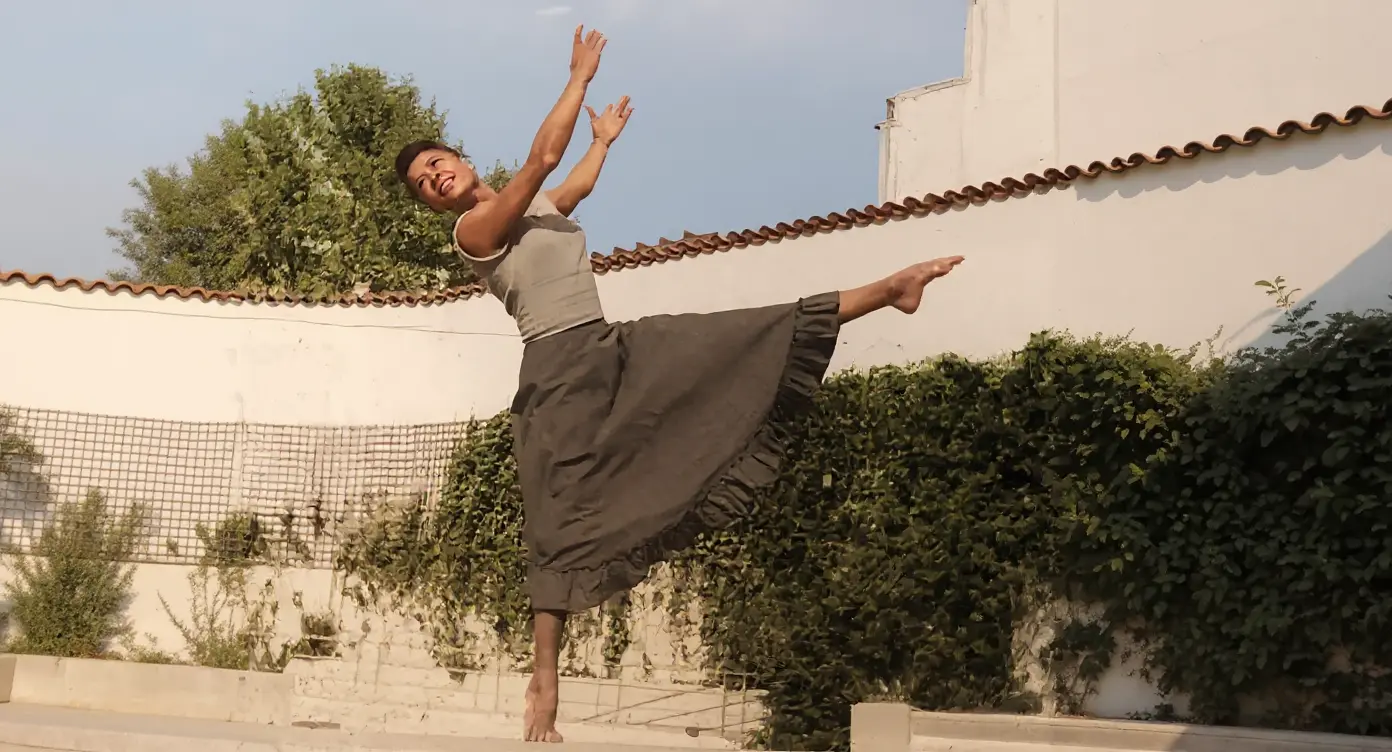
In the history of the Pilates method, there are teachers who pass on exercises. And there are those who pass on a way of seeing the body and the person.
Kathy Grant was exactly that kind of person.
One of Joseph Pilates’ closest students, a dancer, artist, and exceptionally sensitive teacher. Her work showed the world that the true power of movement lies not in perfect form, but in deep connection with one’s own body and breath.
For many students, she was more than a teacher. She was a guide in discovering movement—calm, attentive, yet exceptionally demanding.
Kathy Grant (1921–2010) was one of the most important first-generation teachers of the Pilates method.
Her story is unique because it shows how the Pilates method evolved in the world of dance, rehabilitation, and movement education.
A dancer who listened to the body
Before Kathy Grant encountered the Pilates method, she was a dancer. She studied ballet and modern dance, and also explored African dance during her travels to Africa.
This experience meant that from the beginning, she understood the body as an instrument of expression. Movement for her was not merely technique—it was a language.
In the 1950s, Kathy Grant began training at Joseph and Clara Pilates’ studio in New York on 8th Avenue. When she arrived at Joseph and Clara Pilates’ studio in New York, she discovered a system that remarkably combined strength, control, and movement awareness. The Pilates method became for her not only a working tool, but also a path to deeper understanding of the body.
There she became one of their most devoted students.
Joseph Pilates quickly noticed her sensitivity to movement and pedagogical abilities. Over time, Kathy began assisting in the studio and teaching classes. After Joseph Pilates’ death in 1967, she was one of those who continued to pass on the method.
An intimate studio and attention to the individual
Kathy began teaching at Henri Bendel’s in New York, at a time when there were only a few places in the city where one could practice Pilates. Her classes were exceptional. There were at most four people in a class.
It was not about exclusivity—it was about attention.
Kathy wanted to see each student. She wanted to understand their body, their breath, their way of moving. For her, Pilates was a dialogue between teacher and student’s body.
Pilates and the world of dance
Kathy Grant collaborated for many years with dancers from the most important companies in New York.
Artists from the following appeared in her studio:
Dance Theatre of Harlem
New York City Ballet
Paul Taylor Dance Company
Martha Graham Dance Company
Alvin Ailey American Dance Theater
Dancers felt that Kathy truly understood their bodies. She was part of their world. She knew how delicate the balance between strength and sensitivity is.
“Before the 100’s”—the art of preparation
One of Kathy Grant’s most beautiful contributions to the development of the Pilates method was her conviction that the body needs time to enter into movement. She often said that a person cannot walk into the studio and immediately perform classical exercises such as The Hundred.
First, one must calm the body, find the breath, and feel the center.
From this conviction arose a practice that many teachers today call Pre-Pilates—preparation for movement. Just as a dancer begins with a warm-up, so a Pilates student should first find themselves in their body.
Breath that guides movement
Kathy Grant was a pioneer in working with breath. During classes, she used sound, rhythm, and imagination. Students sometimes sang, hummed, hissed, or breathed rhythmically. One of her favorite phrases was:
“Let your limbs be an extension of the breath.”
Let your limbs be an extension of the breath.
In her classes at New York University, she created the breath-movement composition known today as
“Kathy’s Song.”
Two characteristic images that helped students find the center of the body are:
ZIP—the image of zipping up tight jeans, which activates the lower abdomen.
BUTTON YOUR VEST—the image of buttoning an elegant vest, which helps one feel the connection of the ribs to the center of the body. Through such images, movement became intuitive and alive.
Movement from within
One of Kathy Grant’s most important principles was the conviction that movement should not be copied. She was not interested in whether an exercise looked perfect. She wanted to know whether it was authentic in the student’s body.
One of Kathy Grant’s most important principles was the conviction that movement should not be copied—it should be felt. She never allowed her students to perform an exercise simply because it looked correct. Instead, she asked:
“What do you feel in your body?“
She wanted movement to arise from within, from deep connection with and understanding of the body.
A legacy that still lives
Kathy Grant’s working style was exceptionally creative. She drew inspiration from Joseph Pilates’ work, but also from experiences in dance, anatomy, and her own intuition. However, the most important element of her work was curiosity—a constant desire to discover new ways of working with the body.
Her students continue her teaching around the world today. One person particularly dedicated to passing on her legacy is Sarita Allen, who studied with Kathy Grant for years and to this day honors her approach to movement with great respect.
Why Kathy Grant’s story matters today
This is the story of teachers who were able to look at movement more deeply—as a tool of awareness, healing, and expression. Kathy Grant was one of those people.
Her work reminds us that Pilates does not begin with perfect movement form. It begins with breath, attention, and contact with one’s own body. And it is precisely in this place that true practice begins.
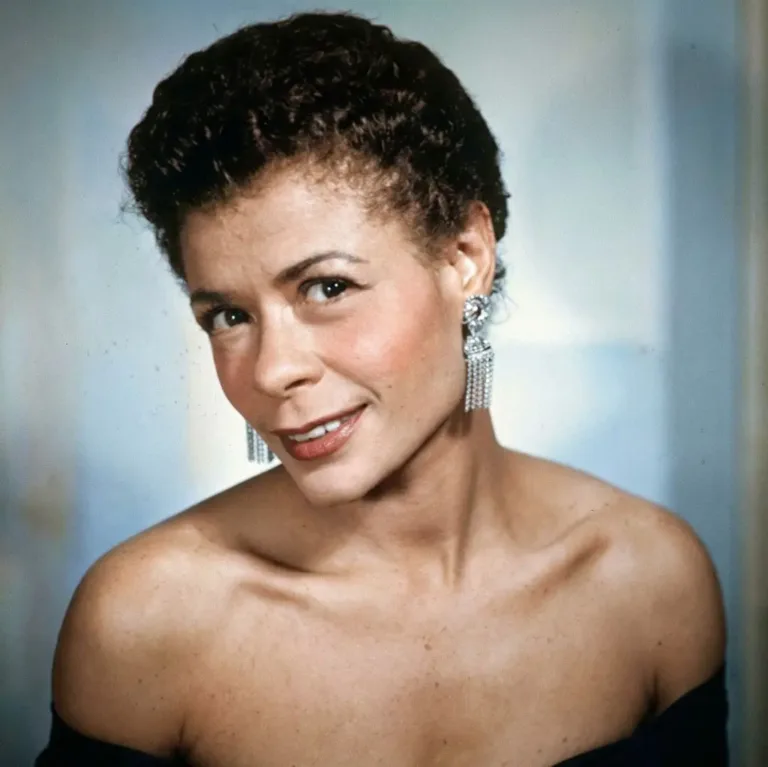
The quiet strength of this story
Kathy Grant’s story reminds us that Pilates is something more than a set of exercises.
It is the art of mindful movement.
It is the search for harmony between breath, body, and awareness, and the true beauty of this method does not lie in how movement looks.
It lies in how it feels.
Kathy Grant’s legacy
Kathy Grant’s teaching style was exceptionally creative and at the same time deeply rooted in Joseph Pilates’ work.
Her approach was influenced by, among others:
Joseph Pilates
Carola Trier
Irene Dowd
Ron Fletcher
However, it was her own sensitivity and curiosity about movement that created something truly exceptional.
Her students continue her work around the world today. One person particularly dedicated to passing on her legacy is Sarita Allen, who studied with Kathy for years and to this day honors her approach to working with the body.
Czytaj również

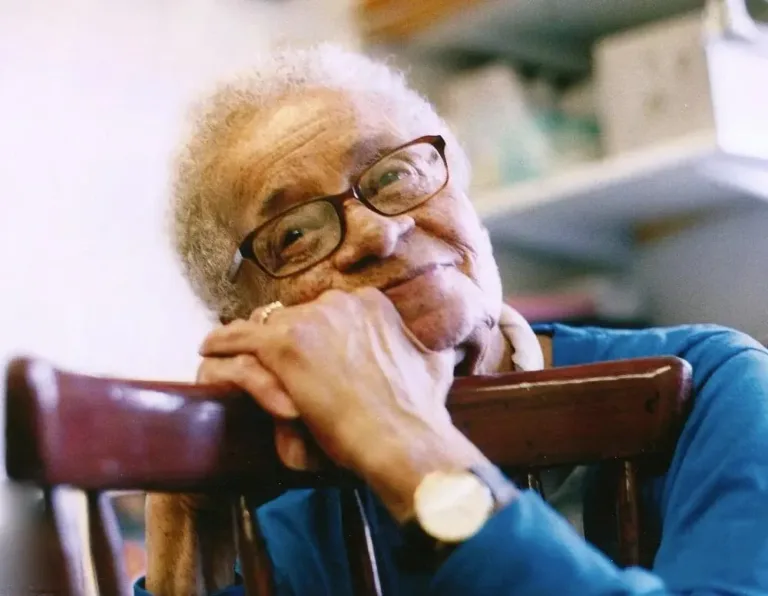
Sarita Allen
Sarita Allen ma za sobą karierę, o jakiej większość artystów może tylko marzyć.
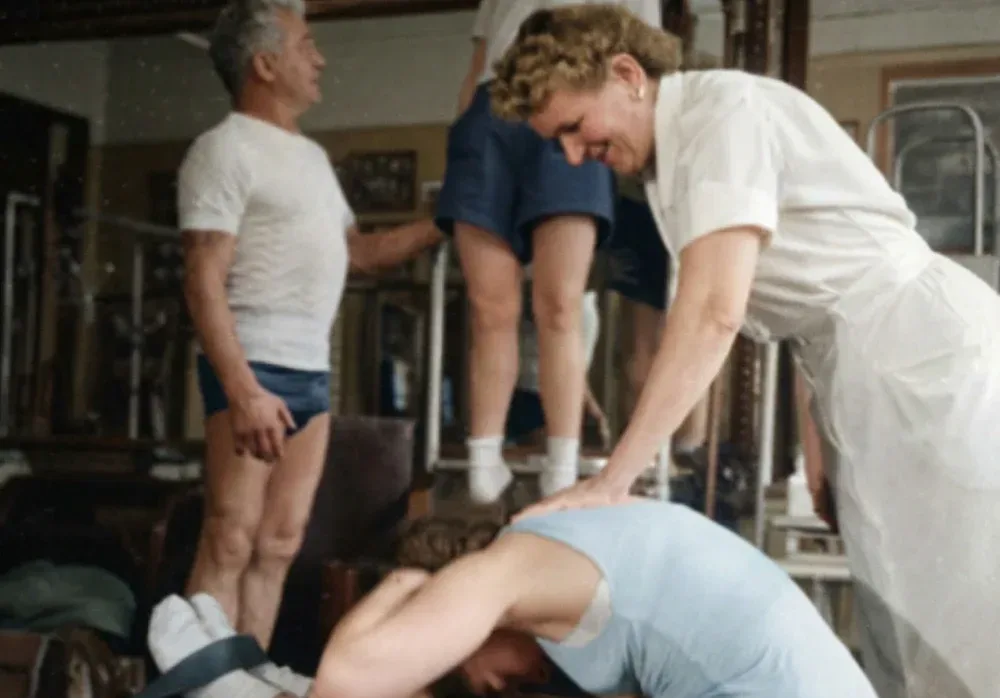
Clara & Contrology – subtelność metody Pilatesa
Clara & Contrology subtelność metody, której świat nie docenił na czas.
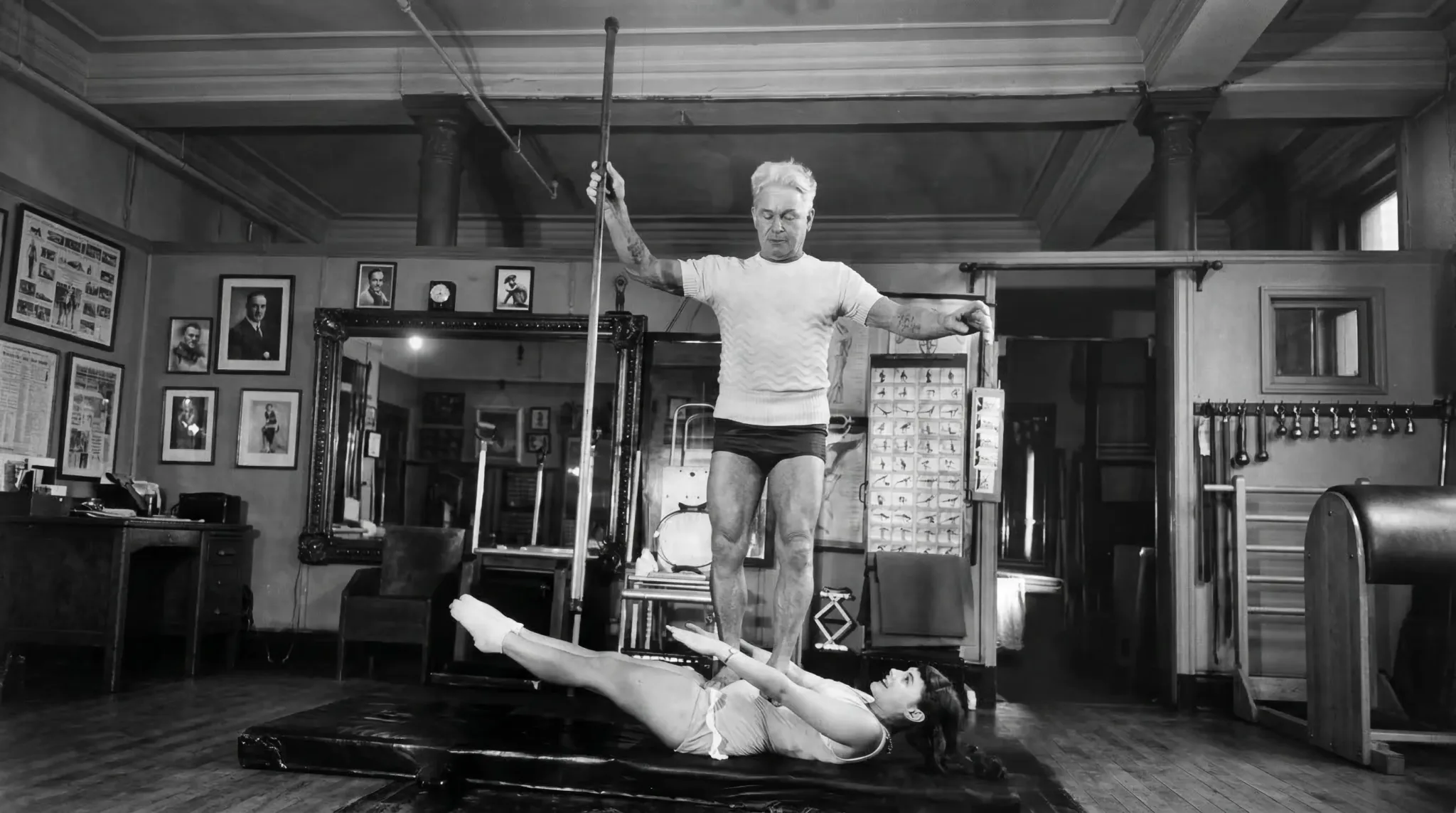
Joseph Pilates i spuścizna, która porusza świat
Kim był człowiek, który zmienił sposób, w jaki myślimy o ruchu?.



Add comment